

High-Efficiency Decolorization
Color removal efficiency ≥90%, effectively removing colored contaminants from industrial wastewater and improving effluent color quality.
For Advanced Color Removal from Industrial Wastewater
WT-201 Bamboo-Based Decolorizing Adsorbent
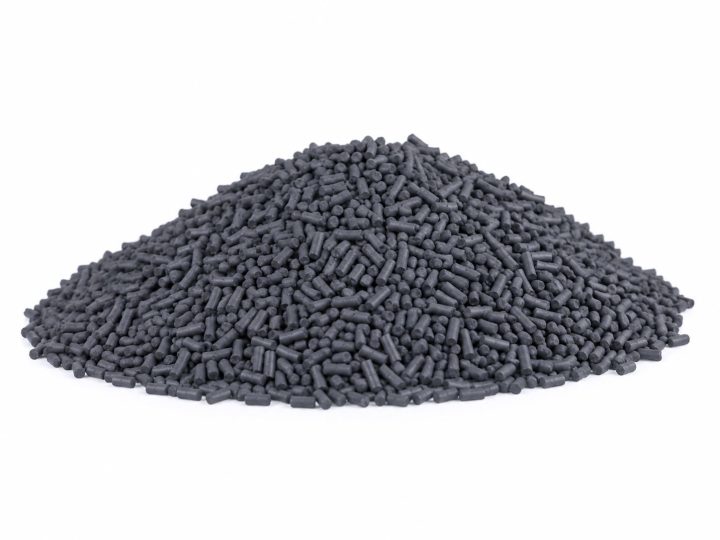
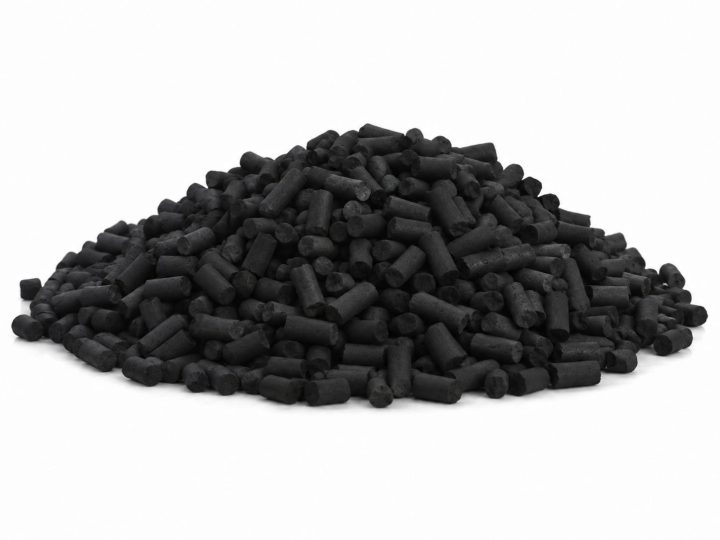
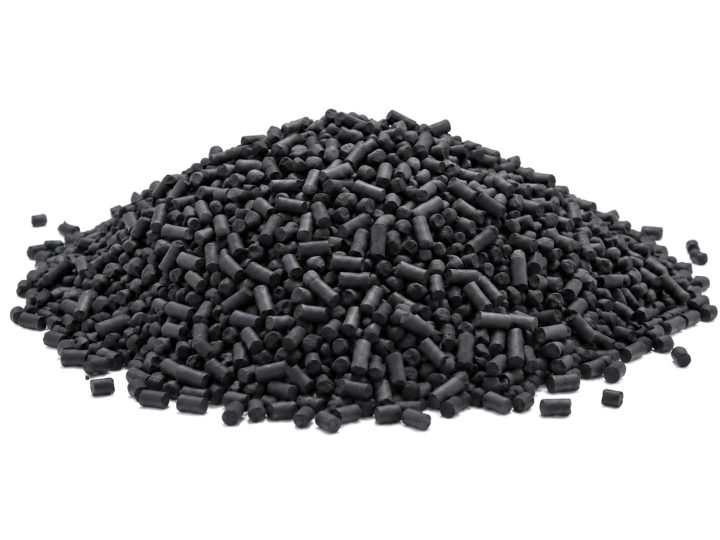
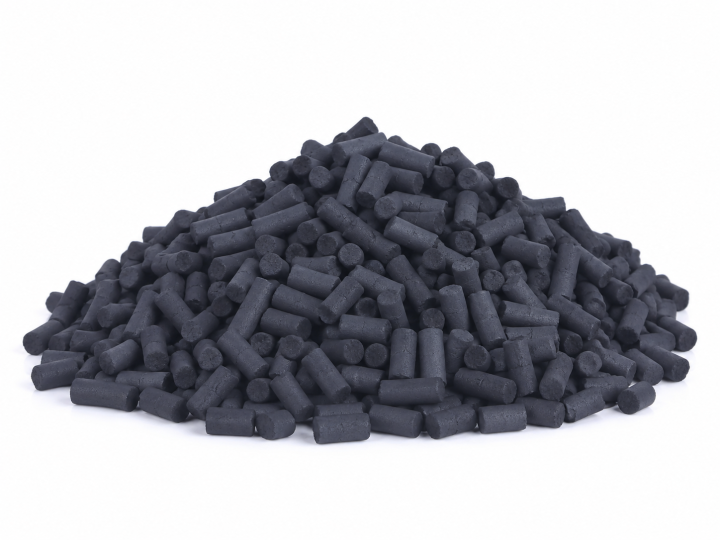
Modified bamboo-based decolorizing adsorbent in granular form, enabling in-situ thermal regeneration and reuse for advanced industrial wastewater decolorization and discharge compliance.
Color removal efficiency ≥90%, effectively removing colored contaminants from industrial wastewater and improving effluent color quality.
Surface area ≥1100 m²/g and iodine number ≥1000 mg/g for stable adsorption performance.
Effective for both anionic and cationic dyes across a range of pH conditions.
Granular products can be thermally regenerated after saturation to restore adsorption performance, enabling repeated use and reducing long-term operating costs.
DAQI Technology WT-201 is a modified bamboo-based decolorizing adsorbent with abundant surface functional groups that remove colored substances from wastewater through ionic interactions and adsorption. It is designed for high-color wastewater from textile dyeing, dye manufacturing and chemical industries, with color removal efficiency ≥90%, and is compatible with a wide range of wastewater treatment systems.
After adsorption saturation, WT-201 can be regenerated in situ to restore adsorption performance for repeated use. This helps reduce replacement frequency and long-term operating costs, making it a reliable material for advanced industrial wastewater decolorization and discharge compliance.
Surface functional groups such as carboxylate (–COO⁻), protonated amine (–NH₃⁺) and oxygen-containing groups interact with ionic dye species, with ionic adsorption as the primary mechanism and physical adsorption as a secondary mechanism. Adsorption behavior varies with pH, allowing removal of both anionic and cationic dyes. After saturation, the material can be regenerated through in-situ washing and desorption.
WT-201 is suitable for a wide range of colored organic wastewater from textile dyeing, dye manufacturing, textile, and chemical industries. It can be used for wastewater pretreatment, advanced decolorization, and color control prior to compliant discharge. Operating and loading parameters can be adjusted according to color level, pH, contaminant composition, and treatment targets.
After removal from service, WT-201 can be regenerated by spray washing for at least 2 hours. After washing, allow it to drain naturally and stand for at least 24 hours before reuse.
Granular products can be regenerated and reused. After removing the adsorbent from service, regenerate it by spray washing for at least 2 hours. Allow it to drain naturally until no visible water flow remains, then let it stand for at least 24 hours before returning it to service.
① Do not add other chemicals to the treatment tower to avoid blockage.
② Keep suspended solids (SS) under control to prevent pore blockage.
③ Monitor tower temperature and provide emergency spray cooling to prevent overheating.
④ Allow the tower to cool to ambient temperature during shutdown.
Monitor color removal performance during operation. When decolorization efficiency no longer meets process requirements, regenerate or replace the adsorbent as required and contact DAQI Technology for technical support.
Please complete the form and our team will contact you shortly.