

High-Efficiency H₂S Removal
H₂S removal efficiency ≥99.5%, suitable for continuous industrial gas purification and deep desulfurization.
Bamboo-Based High-Capacity H₂S Desulfurization Media
Bamboo-based H₂S removal media for biogas, natural gas and industrial gas purification.
H₂S removal efficiency ≥99.5%, breakthrough sulfur capacity >700 mg/g, outlet H₂S as low as ≤0.01 ppm.
H₂S removal efficiency ≥99.5%, suitable for continuous industrial gas purification and deep desulfurization.
700 mg/g at 1000 h⁻¹ space velocity, helping extend bed life and reduce replacement frequency.
Outlet H₂S concentration can be reduced to ≤0.01 ppm, protecting downstream equipment and processes.
Stable operation at 10–35°C and 500–3000 h⁻¹, with partial removal of organic sulfur compounds.
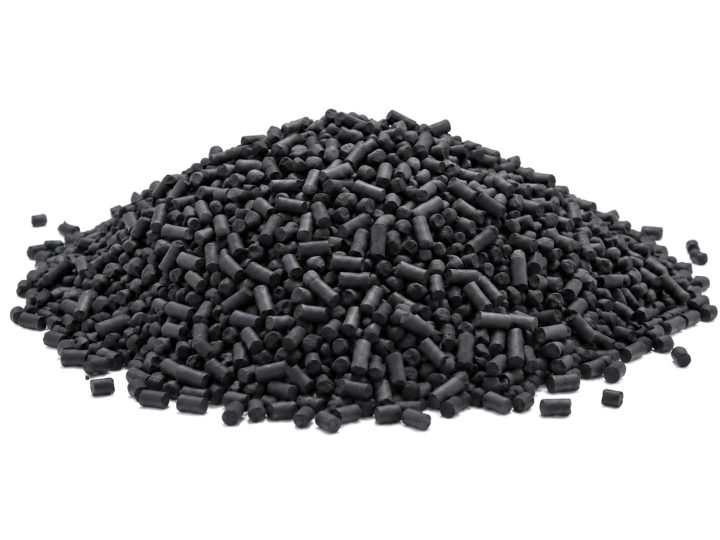
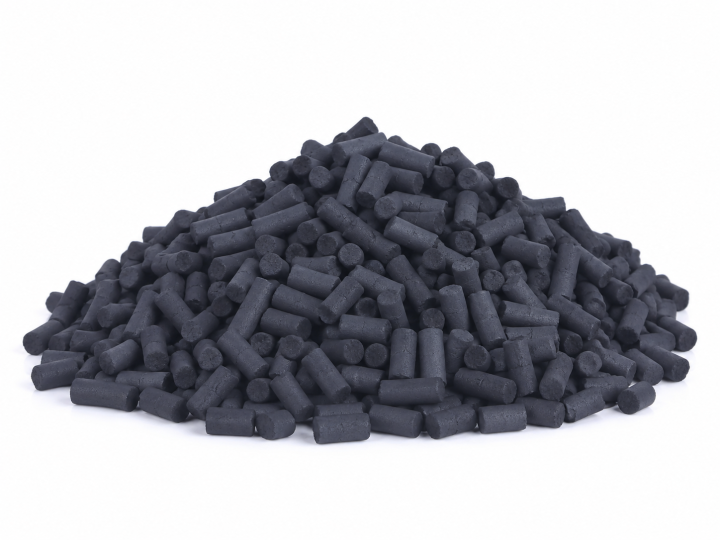
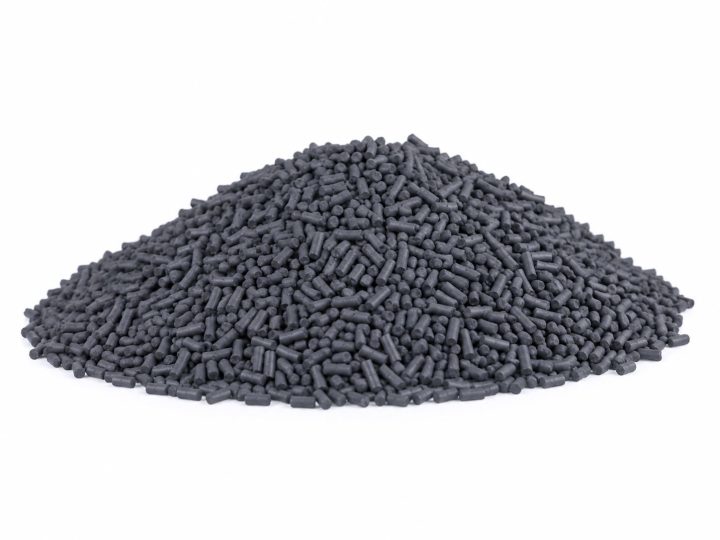
HST-1 is a bamboo-based hydrogen sulfide desulfurization catalyst designed for biogas, natural gas, chemical feed gas and other industrial sulfur-containing gases.
The product uses bamboo-based activated carbon as a porous carrier and combines pore structure regulation with highly dispersed active components. Under standard operating conditions, H₂S removal efficiency reaches ≥99.5%, breakthrough sulfur capacity exceeds 700 mg/g, and outlet H₂S concentration can be controlled to ≤0.01 ppm. Its breakthrough sulfur capacity is more than three times that of conventional activated carbon.
HST-1 also provides partial removal of organic sulfur compounds. It is suitable for fixed-bed desulfurization towers, gas purification units and industrial deep-desulfurization systems, helping extend media replacement intervals and reduce equipment corrosion and operating costs.
HST-1 is suitable for H₂S removal from biogas, natural gas, water gas, coke oven gas, yellow phosphorus tail gas and various chemical feed gases. It can also provide partial removal of organic sulfur compounds.
Actual selection should be based on gas composition, inlet H₂S concentration, flow rate and required outlet specification.
H₂S is first adsorbed and concentrated on the porous bamboo-based carbon surface. Under suitable humidity and oxygen conditions, the active components catalyze the oxidation of H₂S into elemental sulfur and water:
H₂S + ½O₂ → S + H₂O
The generated sulfur is retained within the pore structure, so pore volume, active sites and sulfur capacity directly affect service life.
Loading quantity should be calculated based on actual operating conditions rather than vessel volume alone.
Key parameters include gas flow rate, inlet H₂S concentration, required outlet concentration, space velocity and target operating cycle.
For new projects or replacement of existing desulfurization media, DAQI Technology can assist with media selection and loading estimation.
Remove transport dust before loading and make sure the support layer and wire mesh are properly installed.
Load the catalyst evenly with a low drop height to avoid crushing or excessive dust generation. Level the bed after loading and purge the system before commissioning.
The final loading structure should follow the desulfurization vessel design.
Replacement should be considered when outlet H₂S concentration continuously approaches or exceeds the process limit and cannot be restored by adjusting operating conditions.
Actual replacement intervals depend on inlet H₂S concentration, gas flow rate, space velocity, sulfur capacity and operating time.
Yes. The recommended operating pressure range is 0.1–10 MPa.
For pressurized systems, pressure should be increased gradually according to the operating procedure to avoid sudden bed disturbance caused by rapid changes in pressure or gas flow.
Store in a cool, dry and well-ventilated area, away from moisture, ignition sources and strong oxidizing substances.
Avoid excessive crushing and dust generation during transportation and loading. Operators should wear appropriate personal protective equipment according to site safety requirements.
Please complete the form and our team will contact you shortly.